
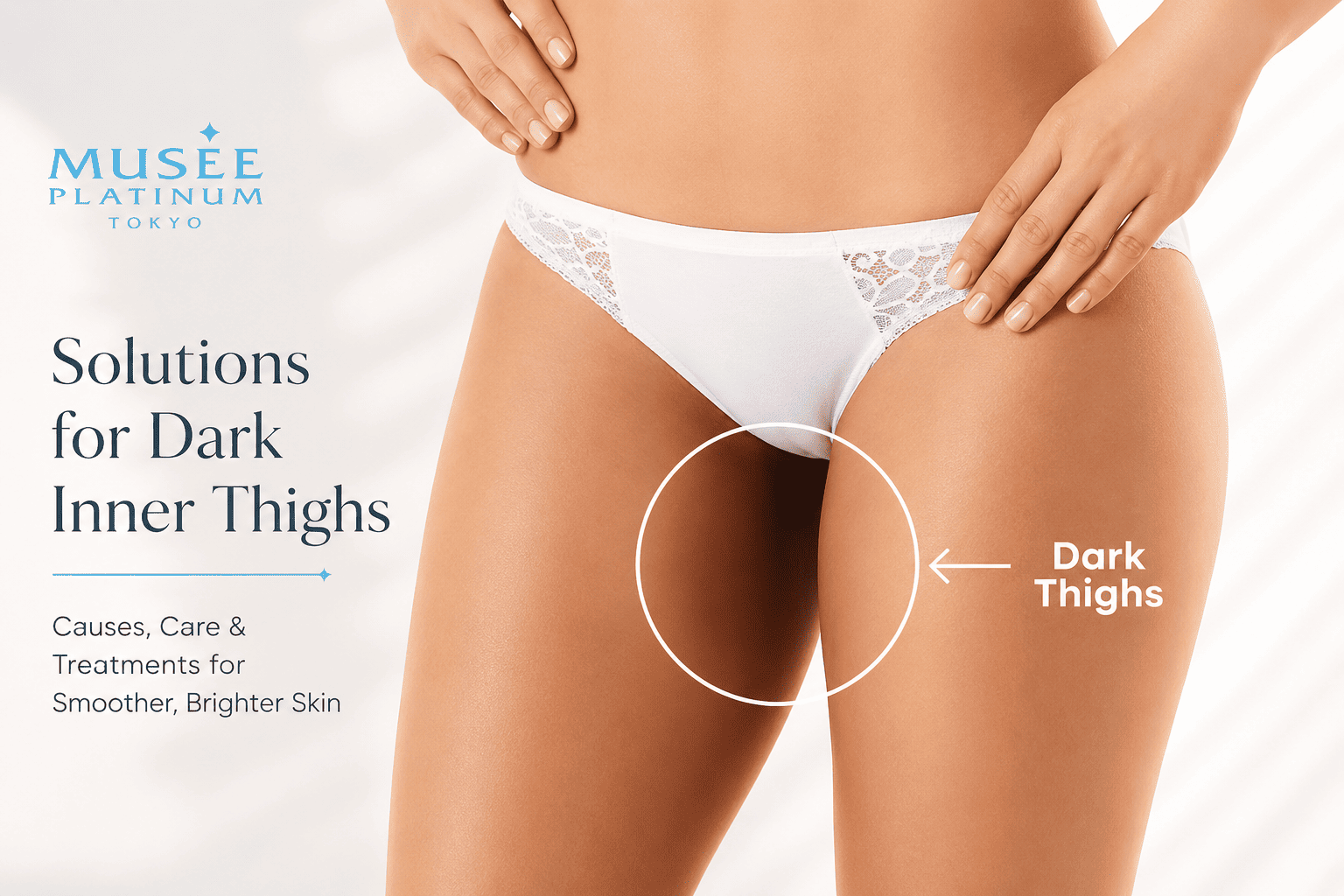
Inner thigh darkening is more common than many realise, yet it is rarely openly discussed. It often develops gradually, influenced by everyday habits such as movement, clothing, and heat, as well as natural physiological changes. Its gradual onset means it can go unnoticed at first, becoming more apparent when wearing lighter clothing or swimwear.
While it is not harmful, the contrast in skin tone can affect one's comfort and self-perception. Consequently, many people seek ways to manage it, driven not by urgency but by a desire for a more even and refined appearance.
By understanding its underlying causes, inner thigh whitening can be viewed less as a quick fix and more as a considered approach to restoring balance and clarity to the skin over time.
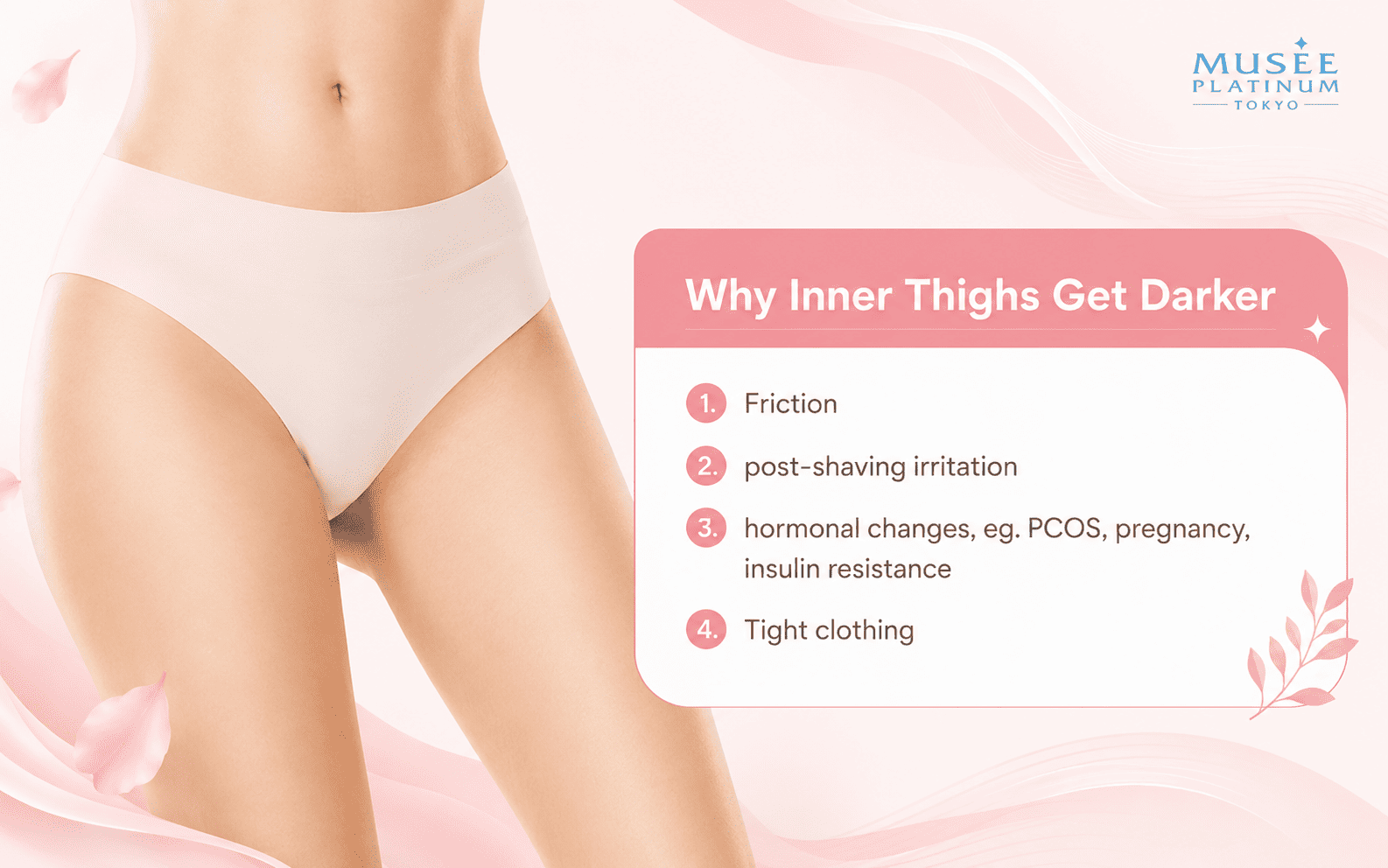
The skin along the inner thighs is naturally delicate and is subject to constant friction. Daily life involves movement, moisture, and pressure, meaning the skin is regularly exposed to low-level friction and warmth. Over time, these repeated stressors can trigger hyperpigmentation of the inner thighs, causing the skin to appear darker or unevenly toned.
This condition is often made more noticeable by its gradual development. There is rarely a single identifiable moment or cause; instead, it builds up through small, everyday interactions with one's environment and routine.
Furthermore, it is important to understand that this is not a reflection of poor care. In many cases, it happens despite maintaining good hygiene and skincare habits. The change in tone is simply the skin's response to ongoing irritation, heat, and internal shifts, producing more pigment as a protective response.
Many people underestimate the role of daily movement in skin health. Simple activities such as walking, exercising, or even prolonged sitting can cause the inner thighs to rub against each other. While this might seem minor in isolation, repeated friction can gradually affect the skin's condition.
In a warm and humid environment, this effect becomes more pronounced. Sweat and trapped heat create a damp, warm surface, increasing sensitivity and making the skin more prone to irritation. As this cycle continues, the skin may begin to respond by producing more melanin as a protective measure. This is when visible pigmentation on the inner thighs typically develops.
Clothing choices can also influence this process. Tight-fitting garments or synthetic fabrics tend to hold heat and reduce airflow, creating further pressure and friction on the skin. When worn frequently, they can contribute to ongoing irritation and increase the area's vulnerability to uneven skin tone.
Hormones influence skin behaviour, including the production and distribution of pigment. During periods such as puberty, pregnancy, or in conditions like PCOS, melanin activity may increase in certain areas of the body. This change is not always uniform, which explains why some areas appear darker than others over time.
The inner thighs are particularly sensitive to these changes. The skin in this area is notably reactive, especially when hormonal fluctuations are combined with everyday factors such as heat and friction. Consequently, darkening can develop gradually, even in the absence of obvious external triggers.
This also explains why the condition can seem unpredictable. Even without changes to one's routine, the skin may begin to appear different. In such instances, the alteration often originates internally, rather than from visible external factors.
Hair removal methods can subtly contribute to the darkening of inner thighs, particularly when performed frequently over time. Shaving, waxing, or tweezing might seem routine, yet each method places some stress on the skin. Even when carried out carefully, they can cause small, repeated disturbances to the skin's surface.
These micro-irritations may not be immediately visible, but they can accumulate. As the skin repairs itself, it might produce more pigment as a reaction, especially in sensitive areas such as the inner thighs.
Over time, this can result in:
Rather than manifesting as a single dark patch, the overall effect is often more subtle yet widespread. The skin may appear duller, less refined, and uneven in tone, especially when contrasted with surrounding areas.
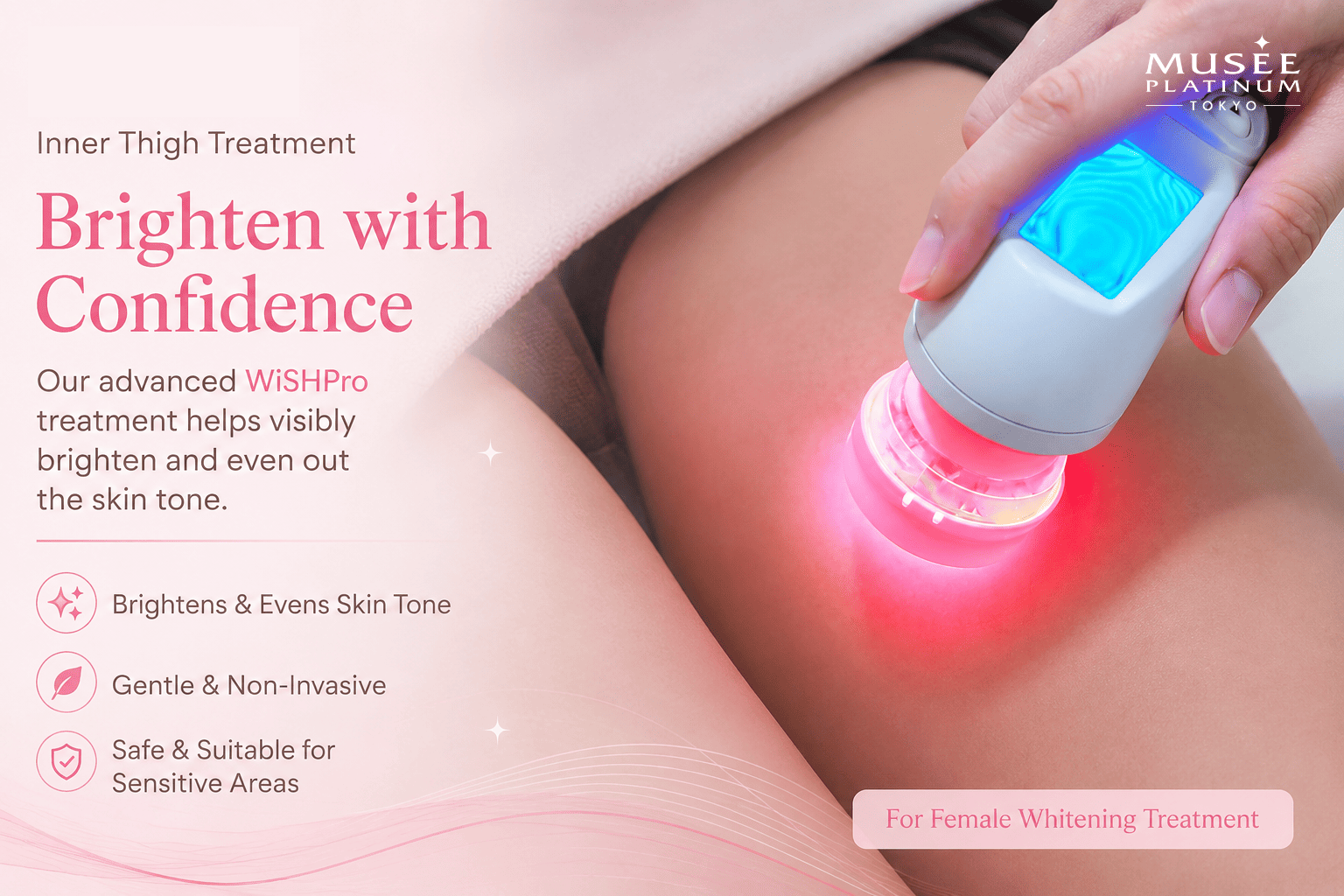
When pigmentation develops gradually, topical products may have limited efficacy in improving the skin's appearance. This is where targeted, professional treatments can offer more visible and consistent results.
At Musee Platinum Tokyo, inner thigh whitening is approached with particular care, recognising the delicate and reactive nature of this area. Our MIT Radiance - Wishpro is designed to work with the skin rather than against it, focusing on steady improvement in tone and texture instead of quick, aggressive change.
The process typically begins with gentle exfoliation to lift surface dullness and remove the build-up of dead skin cells. This is followed by the application of targeted capsules that support skin renewal and promote a more even distribution of pigment. As the skin gradually refines, the appearance of inner thigh hyperpigmentation softens, and the overall tone begins to look clearer and more balanced.
The treatment distinctively enhances how light reflects off the skin. Rather than a stark or artificial finish, the outcome is a natural clarity that develops over time. With consistent sessions, the skin often appears smoother, more even, and visibly refreshed.
As a non-invasive thigh whitening treatment, this approach prioritises comfort and suitability for sensitive areas. It offers a more measured path to improvement, where results build gradually and are easier to sustain over the long term.
Results develop gradually, rather than appearing all at once. After a few sessions, individuals often start to notice subtle improvements in skin clarity and texture. Over time, the treated area typically becomes smoother, with a more even and refined tone.
The aim is not a dramatic transformation, but a steady improvement that feels natural and sustainable. As the skin becomes less prone to irritation and surface unevenness diminishes, the factors contributing to pigmentation are also more effectively managed.
This shift creates a more balanced overall appearance, with skin looking clearer and visibly smoother in the treated area. The improvement often feels less like a change and more like a return to a healthier-looking baseline.
For those exploring broader options, this approach falls within the wider category of skin whitening treatments, yet remains focused on gentle, considered care for sensitive areas.
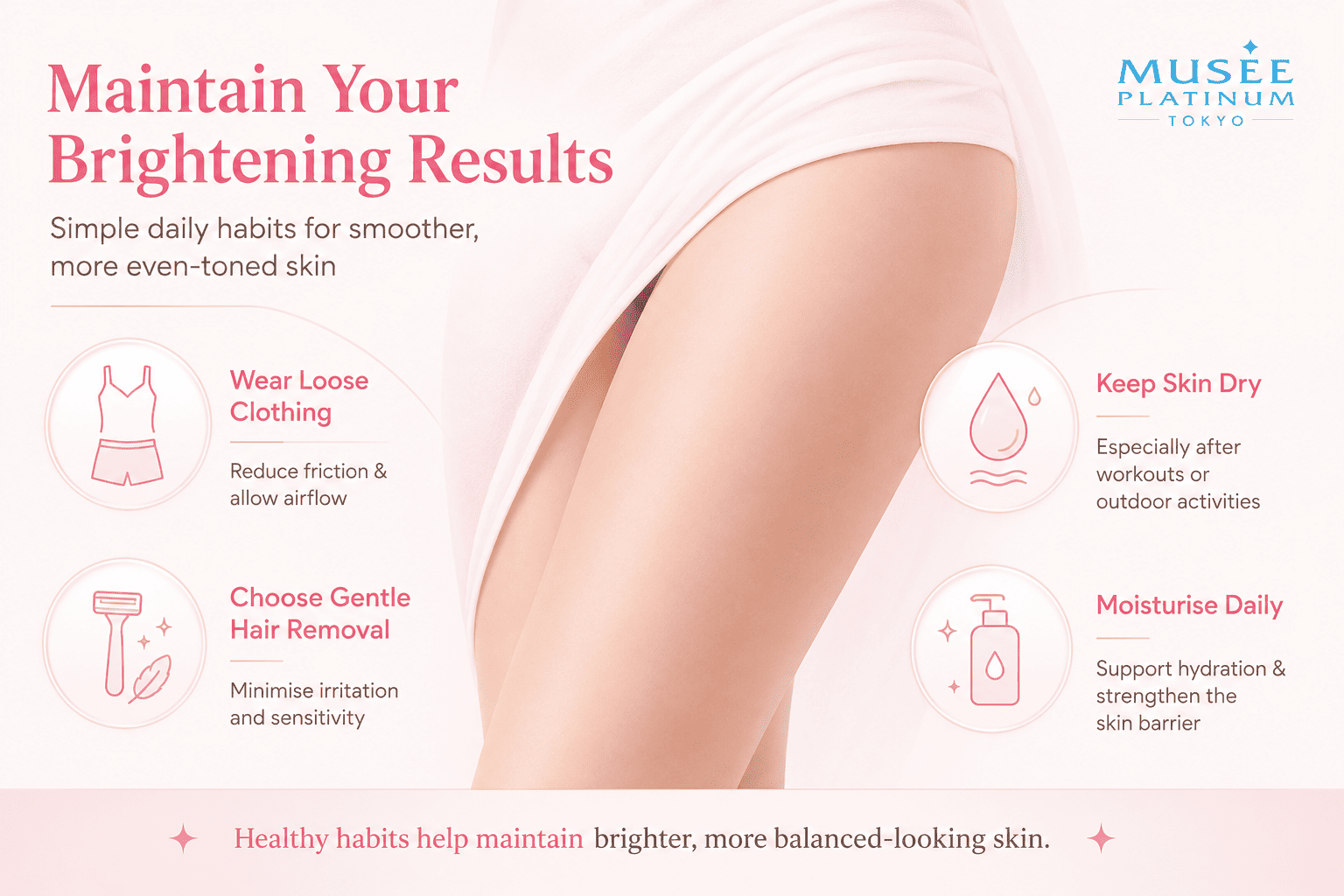
Professional treatments deliver better, more lasting results when complemented by consistent daily care. Even minor routine adjustments can significantly enhance outcomes, helping to preserve improvements and minimise the likelihood of pigmentation recurrence.
Consider incorporating these simple habits:
These daily practices subtly reinforce the effects of skin whitening treatments, fostering more balanced and resilient skin over time.
Darkening of the inner thighs often stems from a combination of factors, making a single solution insufficient. A balanced approach, combining consistent care with appropriate treatment, typically yields natural and lasting results.
At Musee Platinum Tokyo, this philosophy guides the planning and delivery of every treatment. As a salon dedicated to women, our space prioritises privacy and comfort, allowing clients to discuss sensitive concerns openly. Each session is led by our trained specialists, who meticulously assess the skin and tailor treatment to individual needs, moving beyond a one-size-fits-all approach.
If you are considering inner thigh whitening and prefer a gentle, tailored approach suitable for delicate areas, we invite you to book an appointment. We can help you understand how our treatments will benefit your skin and how a structured plan can achieve clearer, more even-toned results over time.